
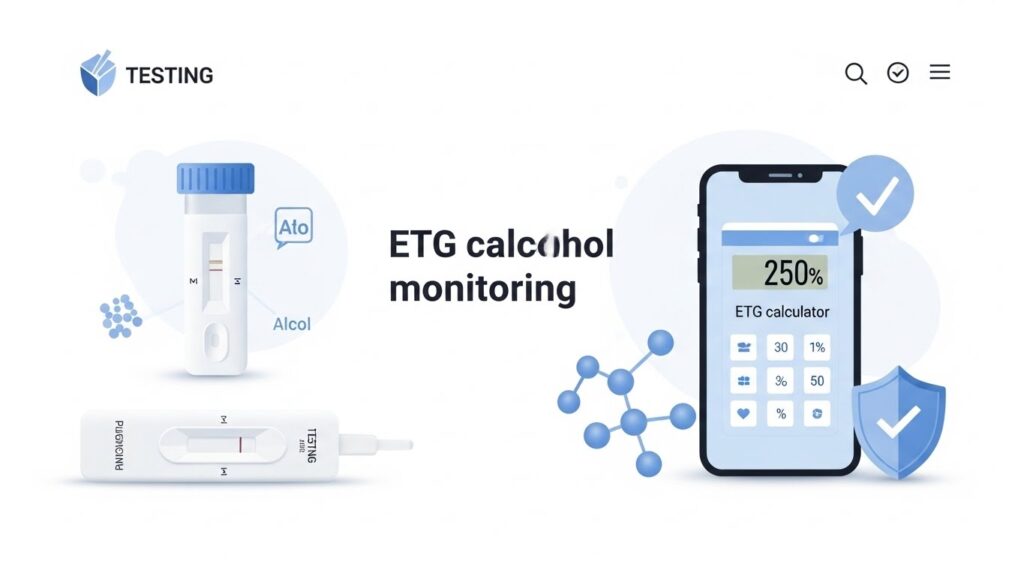
Alcohol consumption is common worldwide, but it carries significant responsibilities and potential risks. Whether it’s for personal awareness, workplace compliance, or legal obligations, understanding alcohol testing and maintaining safety is crucial. This guide will explore various alcohol tests, how they work, and strategies for safe alcohol consumption.
What is Alcohol Testing?
Alcohol testing is the process of measuring the presence of ethanol or its metabolites in the body. The most common tests include:
- Blood Alcohol Concentration (BAC) Test: Measures alcohol directly in the bloodstream. Typically used by law enforcement to determine legal intoxication.
- Breathalyzer Test: Estimates BAC via breath samples. Portable and widely used for roadside testing.
- Urine Testing: Detects ethanol metabolites such as ETG (Ethyl Glucuronide). Can detect alcohol consumption long after BAC returns to zero.
- Hair and Saliva Tests: Less common but can show long-term alcohol use patterns.
Urine testing, particularly ETG tests, is preferred in many probation, rehabilitation, and workplace programs because it provides a broader detection window. Users often search for tools like ETG calculator online, ETG urine test calculator, and alcohol ETG calculator to estimate detection times.
Understanding ETG Testing
Ethyl Glucuronide (ETG) is a metabolite formed when the body processes alcohol. Unlike BAC, which drops to zero within hours, ETG can remain detectable in urine for 24–80 hours after alcohol intake, depending on factors such as:
- Metabolism
- Hydration
- Body weight
- Frequency and amount of alcohol consumed
ETG testing is widely used in legal monitoring programs, rehabilitation centers, and workplace testing. Tools like the ETG Calculator allow users to estimate detection windows, helping them understand general timelines and avoid misconceptions about testing.
Why Alcohol Safety Matters
Alcohol consumption can have both short-term and long-term effects. Safe practices reduce the risk of injury, legal consequences, and long-term health issues.
Short-Term Risks:
- Impaired judgment and coordination
- Increased likelihood of accidents
- Alcohol poisoning
Long-Term Risks:
- Liver damage and cirrhosis
- Cardiovascular problems
- Addiction and dependence
Responsible drinking, awareness of personal limits, and knowledge of testing procedures all contribute to alcohol safety.
Common Alcohol Testing Scenarios
1. Workplace Testing
Many organizations require alcohol testing to ensure safety and compliance. Employees may be subjected to ETG urine tests, breathalyzer tests, or random screenings. Understanding testing methods and detection windows is crucial to maintaining compliance.
2. Legal and Probation Programs
Individuals under court supervision often undergo regular ETG testing to confirm abstinence. Using tools like ETG test calculators can help them understand estimated detection times for educational purposes—but should never replace professional advice or monitoring.
3. Personal Monitoring
Some individuals use alcohol tests at home to monitor their drinking habits. While these results are for personal guidance, tools like the ETG calculator online help users make informed decisions about consumption and safety.
How to Stay Safe With Alcohol
- Know Your Limits: Understand your body’s tolerance and avoid excessive drinking.
- Hydrate: Drinking water reduces dehydration but does not eliminate ETG or alcohol from the body faster.
- Avoid Risky Activities: Do not drive or operate machinery after consuming alcohol.
- Track Your Intake: Use tools like ETG calculators to learn how alcohol may affect detection windows and inform responsible drinking decisions.
- Seek Help if Needed: For signs of dependence or addiction, consult medical professionals or support programs.
ETG Calculators and Alcohol Awareness
Tools like ETG calculators are educational instruments that estimate detection timelines. Commonly searched terms include:
- Free ETG calculator
- Most accurate ETG calculator
- ETG calculator urine
- ETG alcohol calculator
These tools provide general estimates based on factors such as alcohol intake, time since last drink, and average ETG elimination rates. They help users understand detection windows but cannot guarantee lab results.
Frequently Asked Questions (FAQ)
1. What is the most reliable alcohol test?
Blood tests for BAC are most accurate for immediate alcohol detection. ETG urine tests are better for long-term monitoring but provide estimates, not guarantees.
2. How long can ETG be detected in urine?
ETG can be detectable for 24–80 hours after alcohol consumption, depending on metabolism, hydration, and alcohol amount.
3. Can ETG calculators help me pass a test?
No. ETG calculators are educational tools to estimate detection windows. They are not intended to bypass or manipulate testing.
4. Does drinking water reduce ETG levels?
Hydration may slightly dilute urine, but ETG metabolites remain detectable for hours to days regardless of fluid intake.
5. Are alcohol tests used in the workplace?
Yes, many employers use ETG urine tests, breathalyzers, or BAC tests to ensure safety and compliance with regulations.
Conclusion
Understanding alcohol testing and practicing responsible drinking is essential for personal safety, legal compliance, and long-term health. ETG testing plays a key role in monitoring recent alcohol consumption, and tools like the ETG Calculator provide educational insight into detection timelines.
While calculators and online tools are useful for awareness, they cannot replace professional testing or medical advice. Always consume alcohol responsibly, follow local laws, and consult qualified professionals when needed.